Treats are where most Pug parents accidentally blow the daily calorie budget. The treats marketed hardest to dog owners are often the worst for brachycephalic breeds. Here are 8 to avoid — and a vet-approved swap for each that lets you keep training, bonding, and snack-sharing without the weight gain.
1. Pig ears
150–200 calories each, high fat. Frequent cause of pancreatitis in Pugs. Swap: a single piece of dehydrated sweet potato (~30 cal).
2. Greenies dental chews (regular)
Marketed as healthy, often 90+ calories. Choking hazard for brachycephalic jaws. Swap: raw baby carrot, brushed daily on actual teeth (~5 cal).
3. Rawhide bones
Choking and intestinal blockage risk for Pugs. FDA-warned. Swap: a frozen Kong stuffed with low-fat plain Greek yogurt.
4. Pup Cup whipped cream
Sugar, fat, and dairy — the trifecta most Pugs cannot tolerate. Swap: a few cubes of frozen watermelon (no seeds, no rind).
5. Beggin' Strips and similar bacon-flavored treats
High in salt, artificial coloring, and meat by-products. Drives skin allergies. Swap: small cubes of plain cooked chicken breast.
6. Peanut butter with xylitol
Some 'natural' brands sneak xylitol in — fatal in tiny amounts. Always check the label. Swap: xylitol-free 100% peanut butter (Kirkland is reliable), used sparingly.
7. Dehydrated chicken jerky from imported sources
Linked to Fanconi-like syndrome in dogs. Stick to USA-sourced or skip entirely. Swap: home-dehydrated chicken breast slices (cheaper and safer).
8. Standard milk-bone biscuits
Wheat, beef, and BHA preservatives — hits the top three Pug allergens. Swap: a single piece of high-quality grain-free training kibble (~3 cal).
How to budget treats for a Pug
The 10% rule: treats should never exceed 10% of total daily calories. For a typical adult Pug eating ~450 calories/day, that's 45 calories of treats — about 5–8 small healthy options. Use our free Pug & Frenchie Calorie Monitor to set your dog's daily target.
Breed-specific notes: Frenchies, Pugs, and English Bulldogs
For French Bulldog parents: Frenchies often present airway-driven symptoms first, even before weight or skin issues become obvious. Prioritize cool-hour walks, a Y-front harness, and BOAS grading by 12 months when thinking about 8 worst treats for pugs (and what to feed instead).
For Pug parents: Pugs combine the highest heat-stroke risk of any AKC breed with strong genetic obesity risk. For 8 worst treats for pugs (and what to feed instead), build daily routines around climate control, pre-portioned meals, and short, frequent enrichment sessions instead of long walks.
For English Bulldog parents: Bulldog body mass amplifies every brachycephalic risk. Conservative management of 8 worst treats for pugs (and what to feed instead) is rarely enough on its own — pair it with annual orthopedic screening and a strict 4/9 body condition score target.
For senior brachycephalic dogs (8+): Older flat-faced dogs lose airway elasticity and joint cushion simultaneously. Adjust 8 worst treats for pugs (and what to feed instead)-related routines downward by ~20% (shorter walks, smaller meals, lower jumps) and add a 6-month vet re-check rhythm.
Real-world scenarios: when 8 worst treats for pugs (and what to feed instead) actually shows up
Scenario 1 — the dog park in July: Even at 78°F, a 15-minute play session in direct sun pushes most brachycephalic dogs into the yellow zone of our Heatstroke Risk Calculator. Bring a cooling mat, water, and a 5-minute timer.
Scenario 2 — the apartment heatwave: When indoor temps climb past 75°F, switch to bathroom-tile rest spots, run a fan across a damp towel, and shift walks to 6 AM/9 PM windows.
Scenario 3 — the family BBQ: Table-scrap exposure is the #1 source of GI emergencies in flat-faced breeds during summer. Pre-brief guests, pre-portion safe treats, and keep your dog in an AC room when food is out.
Scenario 4 — the road trip: Brachycephalic dogs decompensate in hot cars far faster than other breeds. Plan stops every 90 minutes, pre-cool the car for 5 minutes before loading, and never leave the dog unattended even briefly.
Vet Tip from Dr. Jenkins — Save our three calculators to your phone home screen. A 10-second check before any of these scenarios is the highest-leverage habit for any brachycephalic dog parent.
Your 30-day action plan for 8 worst treats for pugs (and what to feed instead)
Days 1–7: Weigh your dog, photograph from above and the side, and log every meal and treat. Most owners discover a 15–25% calorie surplus in week one alone.
Days 8–14: Replace one daily walk window with our Heatstroke Risk Calculator + an indoor enrichment alternative when the gauge shows yellow or red.
Days 15–21: Audit gear — Y-front harness fit, bed bolster height, cooling mat condition, hygrometer reading. Replace anything in the red.
Days 22–30: Book the vet visit. Bring your weight log, photo set, and any concerning observations. Ask explicitly for a BOAS grade and body condition score on a written report.
Try our free interactive tools
Heatstroke risk, daily calories, BOAS screening, insurance estimates, and travel planning — under 60 seconds each.
Frequently Asked Questions
The single most important thing is that Pugs have anatomically restricted airways and reduced thermoregulation. Problems related to worst treats for Pugs escalate fast — often within minutes. Early recognition and prevention are dramatically more effective than treatment after symptoms appear. Always consult a US-licensed veterinarian for any concerning signs; this article is educational only.
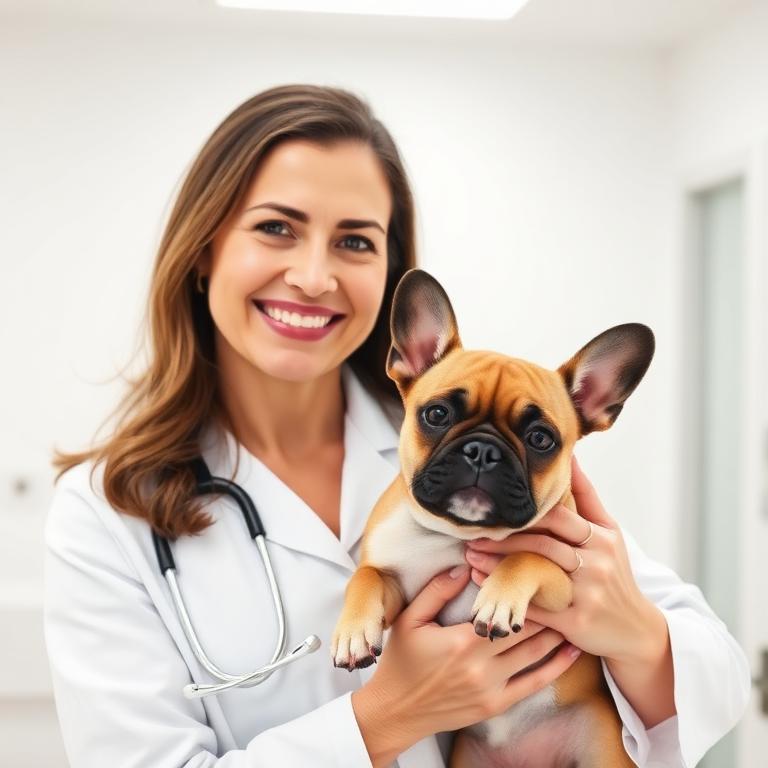
Dr. Sarah Jenkins, DVM
Veterinary Advisor & Brachycephalic Health Specialist
Dr. Sarah Jenkins is a licensed Doctor of Veterinary Medicine with over 14 years of clinical experience focused on flat-faced (brachycephalic) breeds. She earned her DVM from Cornell University College of Veterinary Medicine and completed advanced training in Brachycephalic Obstructive Airway Syndrome (BOAS) at the Royal Veterinary College. She reviews every article and tool on SnoutSafe.