If your Pug seems to gain weight just by looking at food, you're not imagining it. Pugs carry genetic variants that predispose them to obesity, and that obesity makes every brachycephalic problem — breathing, joints, heat tolerance — dramatically worse. Here's why, and a realistic 4-week plan to reverse course.
The POMC gene mystery
A 2022 University of Cambridge study identified a 14-base-pair deletion in the POMC gene present in roughly 22% of Pugs. Dogs with this mutation feel hungry sooner, feel full later, and metabolize fat more slowly. It's not your imagination — and it's not your Pug being 'greedy.'
The 4-week reset plan
Week 1: weigh your Pug, calculate target calories (use our tool), and pre-portion every meal in zip-locks. Week 2: replace high-calorie treats with green beans, baby carrots, or a single piece of kibble. Week 3: add two 10-minute structured walks during cool hours. Week 4: re-weigh. Healthy loss is 1–2% of body weight per week.
Food quality: what to look for
Look for AAFCO-compliant adult maintenance diets with named meat as the first ingredient, moderate fat (10–14%), and added L-carnitine. Avoid 'all life stages' formulas for adult Pugs — they're designed for growing puppies and contain too many calories.
How to body-condition score your Pug at home
Stand above your Pug. You should see a clear waist tuck behind the ribs. Run your hands along the side — you should feel ribs with light pressure (like the back of your hand at the knuckles). If you have to push to find ribs, your Pug is overweight. If ribs are visually obvious without touching, your Pug is underweight. Aim for 4/9 on the Purina Body Condition Score chart.
Breed-specific notes: Frenchies, Pugs, and English Bulldogs
For French Bulldog parents: Frenchies often present airway-driven symptoms first, even before weight or skin issues become obvious. Prioritize cool-hour walks, a Y-front harness, and BOAS grading by 12 months when thinking about why is my pug gaining weight so fast? (and the 4-week reset plan).
For Pug parents: Pugs combine the highest heat-stroke risk of any AKC breed with strong genetic obesity risk. For why is my pug gaining weight so fast? (and the 4-week reset plan), build daily routines around climate control, pre-portioned meals, and short, frequent enrichment sessions instead of long walks.
For English Bulldog parents: Bulldog body mass amplifies every brachycephalic risk. Conservative management of why is my pug gaining weight so fast? (and the 4-week reset plan) is rarely enough on its own — pair it with annual orthopedic screening and a strict 4/9 body condition score target.
For senior brachycephalic dogs (8+): Older flat-faced dogs lose airway elasticity and joint cushion simultaneously. Adjust why is my pug gaining weight so fast? (and the 4-week reset plan)-related routines downward by ~20% (shorter walks, smaller meals, lower jumps) and add a 6-month vet re-check rhythm.
Real-world scenarios: when why is my pug gaining weight so fast? (and the 4-week reset plan) actually shows up
Scenario 1 — the dog park in July: Even at 78°F, a 15-minute play session in direct sun pushes most brachycephalic dogs into the yellow zone of our Heatstroke Risk Calculator. Bring a cooling mat, water, and a 5-minute timer.
Scenario 2 — the apartment heatwave: When indoor temps climb past 75°F, switch to bathroom-tile rest spots, run a fan across a damp towel, and shift walks to 6 AM/9 PM windows.
Scenario 3 — the family BBQ: Table-scrap exposure is the #1 source of GI emergencies in flat-faced breeds during summer. Pre-brief guests, pre-portion safe treats, and keep your dog in an AC room when food is out.
Scenario 4 — the road trip: Brachycephalic dogs decompensate in hot cars far faster than other breeds. Plan stops every 90 minutes, pre-cool the car for 5 minutes before loading, and never leave the dog unattended even briefly.
Vet Tip from Dr. Jenkins — Save our three calculators to your phone home screen. A 10-second check before any of these scenarios is the highest-leverage habit for any brachycephalic dog parent.
Your 30-day action plan for why is my pug gaining weight so fast? (and the 4-week reset plan)
Days 1–7: Weigh your dog, photograph from above and the side, and log every meal and treat. Most owners discover a 15–25% calorie surplus in week one alone.
Days 8–14: Replace one daily walk window with our Heatstroke Risk Calculator + an indoor enrichment alternative when the gauge shows yellow or red.
Days 15–21: Audit gear — Y-front harness fit, bed bolster height, cooling mat condition, hygrometer reading. Replace anything in the red.
Days 22–30: Book the vet visit. Bring your weight log, photo set, and any concerning observations. Ask explicitly for a BOAS grade and body condition score on a written report.
Try our free interactive tools
Heatstroke risk, daily calories, BOAS screening, insurance estimates, and travel planning — under 60 seconds each.
Frequently Asked Questions
The single most important thing is that Pugs have anatomically restricted airways and reduced thermoregulation. Problems related to Pug weight gain escalate fast — often within minutes. Early recognition and prevention are dramatically more effective than treatment after symptoms appear. Always consult a US-licensed veterinarian for any concerning signs; this article is educational only.
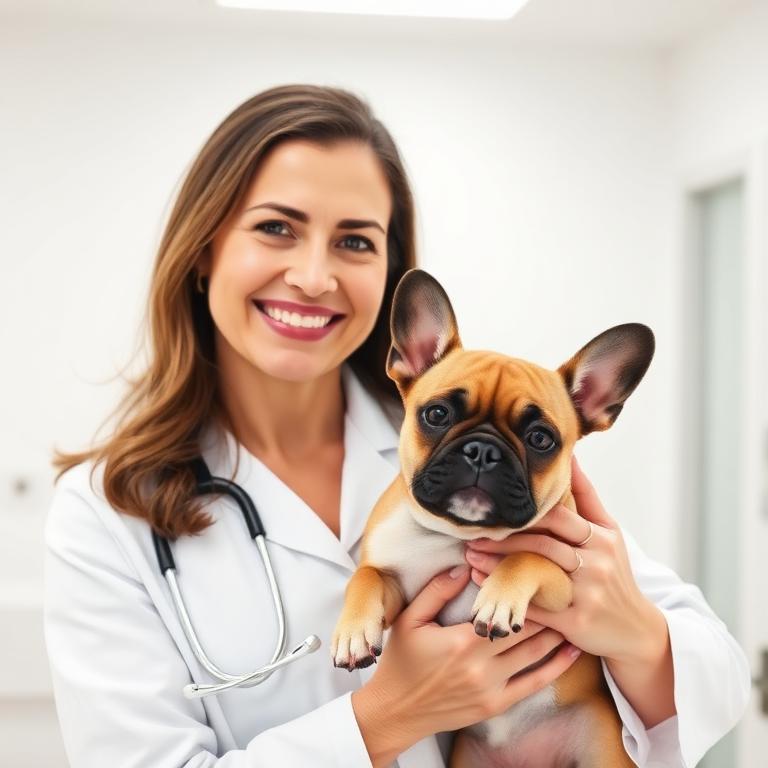
Dr. Sarah Jenkins, DVM
Veterinary Advisor & Brachycephalic Health Specialist
Dr. Sarah Jenkins is a licensed Doctor of Veterinary Medicine with over 14 years of clinical experience focused on flat-faced (brachycephalic) breeds. She earned her DVM from Cornell University College of Veterinary Medicine and completed advanced training in Brachycephalic Obstructive Airway Syndrome (BOAS) at the Royal Veterinary College. She reviews every article and tool on SnoutSafe.