Bringing home a Pug puppy is joy. The vet bills are not. Here's a fully itemized first-year cost breakdown based on average pricing from US general practice clinics in 2026 — no sticker shock at month three.
Vaccines and puppy visits
Three rounds of DHPP, rabies, Bordetella, and a fecal: $250–$400 total. Many US clinics offer puppy packages for $300–$500 that bundle these visits.
Spay or neuter
Pug spay: $400–$900. Pug neuter: $300–$700. Brachycephalic anesthesia adds $100–$200 to most clinics' base price because of the extra monitoring required.
Vet Tip from Dr. Jenkins — Ask if the clinic uses a brachycephalic anesthetic protocol. The answer should be yes.
Recommended Pug-specific screenings
BOAS exercise tolerance test (free with annual exam at most clinics). Patellar luxation check. Eye exam for entropion. Skin fold check. Add about $75–$150 if done as a dedicated visit.
Year-round preventives
Heartworm + flea/tick (brand-name): $25–$50/month. Dental cleaning (recommended starting age 2): $400–$900.
Realistic first-year total
Budget $1,500–$2,800 for a healthy Pug puppy's first year. Add $500–$1,500 if any minor issues come up. This is why insurance — purchased before any issue — is worth strong consideration.
Breed-specific notes: Frenchies, Pugs, and English Bulldogs
For French Bulldog parents: Frenchies often present airway-driven symptoms first, even before weight or skin issues become obvious. Prioritize cool-hour walks, a Y-front harness, and BOAS grading by 12 months when thinking about average vet costs for pugs in the first year (itemized us breakdown).
For Pug parents: Pugs combine the highest heat-stroke risk of any AKC breed with strong genetic obesity risk. For average vet costs for pugs in the first year (itemized us breakdown), build daily routines around climate control, pre-portioned meals, and short, frequent enrichment sessions instead of long walks.
For English Bulldog parents: Bulldog body mass amplifies every brachycephalic risk. Conservative management of average vet costs for pugs in the first year (itemized us breakdown) is rarely enough on its own — pair it with annual orthopedic screening and a strict 4/9 body condition score target.
For senior brachycephalic dogs (8+): Older flat-faced dogs lose airway elasticity and joint cushion simultaneously. Adjust average vet costs for pugs in the first year (itemized us breakdown)-related routines downward by ~20% (shorter walks, smaller meals, lower jumps) and add a 6-month vet re-check rhythm.
Real-world scenarios: when average vet costs for pugs in the first year (itemized us breakdown) actually shows up
Scenario 1 — the dog park in July: Even at 78°F, a 15-minute play session in direct sun pushes most brachycephalic dogs into the yellow zone of our Heatstroke Risk Calculator. Bring a cooling mat, water, and a 5-minute timer.
Scenario 2 — the apartment heatwave: When indoor temps climb past 75°F, switch to bathroom-tile rest spots, run a fan across a damp towel, and shift walks to 6 AM/9 PM windows.
Scenario 3 — the family BBQ: Table-scrap exposure is the #1 source of GI emergencies in flat-faced breeds during summer. Pre-brief guests, pre-portion safe treats, and keep your dog in an AC room when food is out.
Scenario 4 — the road trip: Brachycephalic dogs decompensate in hot cars far faster than other breeds. Plan stops every 90 minutes, pre-cool the car for 5 minutes before loading, and never leave the dog unattended even briefly.
Vet Tip from Dr. Jenkins — Save our three calculators to your phone home screen. A 10-second check before any of these scenarios is the highest-leverage habit for any brachycephalic dog parent.
Your 30-day action plan for average vet costs for pugs in the first year (itemized us breakdown)
Days 1–7: Weigh your dog, photograph from above and the side, and log every meal and treat. Most owners discover a 15–25% calorie surplus in week one alone.
Days 8–14: Replace one daily walk window with our Heatstroke Risk Calculator + an indoor enrichment alternative when the gauge shows yellow or red.
Days 15–21: Audit gear — Y-front harness fit, bed bolster height, cooling mat condition, hygrometer reading. Replace anything in the red.
Days 22–30: Book the vet visit. Bring your weight log, photo set, and any concerning observations. Ask explicitly for a BOAS grade and body condition score on a written report.
Try our free interactive tools
Heatstroke risk, daily calories, BOAS screening, insurance estimates, and travel planning — under 60 seconds each.
Frequently Asked Questions
The single most important thing is that Pugs have anatomically restricted airways and reduced thermoregulation. Problems related to Pug vet costs escalate fast — often within minutes. Early recognition and prevention are dramatically more effective than treatment after symptoms appear. Always consult a US-licensed veterinarian for any concerning signs; this article is educational only.
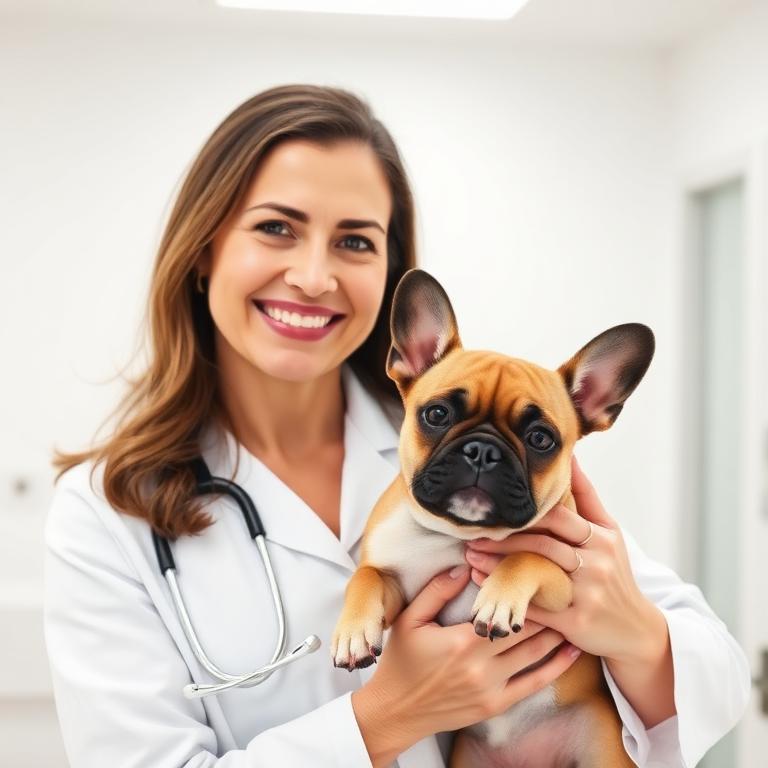
Dr. Sarah Jenkins, DVM
Veterinary Advisor & Brachycephalic Health Specialist
Dr. Sarah Jenkins is a licensed Doctor of Veterinary Medicine with over 14 years of clinical experience focused on flat-faced (brachycephalic) breeds. She earned her DVM from Cornell University College of Veterinary Medicine and completed advanced training in Brachycephalic Obstructive Airway Syndrome (BOAS) at the Royal Veterinary College. She reviews every article and tool on SnoutSafe.